
Not too long ago, getting reliable shot data required a trip to a high-end fitting studio or a serious investment in bulky, stationary equipment. But with advances in technology, portable golf launch monitors have changed the game.
Whether you’re practicing at the range, dialing in your numbers at home, or setting up a simulator, today’s compact options offer impressive accuracy at a fraction of the cost of professional systems.
I’ve spent years testing and comparing launch monitors, and one thing is clear: not all portable devices are created equal. Some excel in outdoor settings but struggle indoors, while others integrate seamlessly with simulator software for a more immersive experience. The best options strike a balance between accuracy, portability, and affordability, making them valuable tools for golfers of all skill levels.
So if you're looking for a portable launch monitor that delivers real results, I’ve rounded up seven of the best models on the market today. Whether you're after pro-level data or a budget-friendly option for casual practice, there’s something here for everyone. Let’s dive in.
Best Portable Golf Launch Monitors: Tested & Reviewed
Finding a portable golf launch monitor that delivers accurate data without a bulky setup can be a challenge. Whether you need a lightweight option for the driving range or a compact unit for indoor practice, these top-rated portable launch monitors offer the perfect balance of performance and convenience.
| Launch Monitor | Price | Rating | Best For | Technology |
|---|---|---|---|---|
| SkyTrak+ | $2,495 | 9.4/10 | Home Simulator | Doppler Radar + Camera |
| Foresight GCQuad | $15,999 | 9.7/10 | High-End Accuracy | Photometric (4 Cameras) |
| Full Swing KIT | $4,499 | 9.4/10 | Outdoor Use | Doppler Radar |
| Foresight GC3 | $6,999 | 9.5/10 | Accuracy | Photometric (3 Cameras) |
| Bushnell LPi | $2,799 | 8.8/10 | Value | Photometric |
| Uneekor EYE MINI | $4,500 | 9.0/10 | Portability | Dual Camera |
| Garmin Approach R50 | $4,999 | 8.8/10 | All-In-One | Doppler Radar |
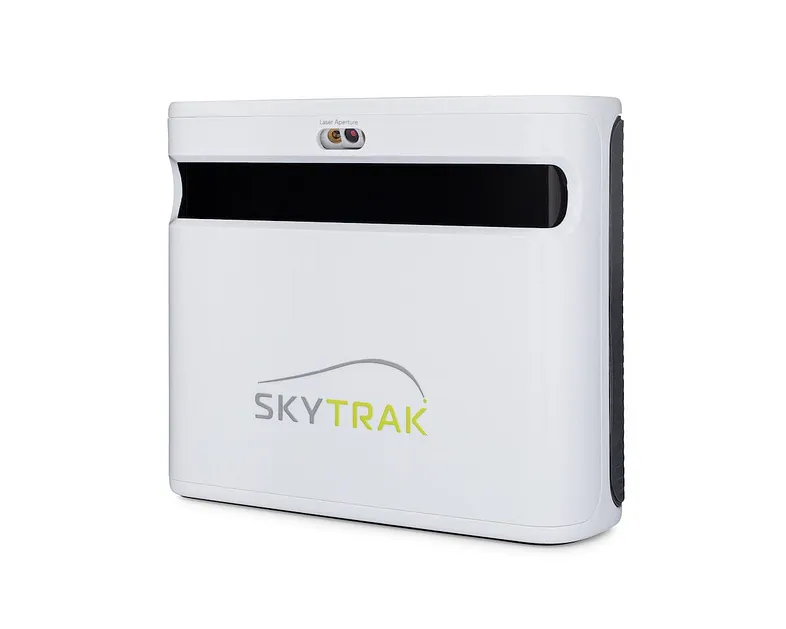
1. SkyTrak+ Portable Launch Monitor
$2,495
- Pros: Dual Doppler radar and high-speed cameras, works indoors and outdoors, integrates with top simulator software.
- Cons: Requires a subscription for full feature access, no club path tracking without an upgrade.
- Space Requirements: Needs at least 10’ width, 10’ depth, and 8’6” ceiling height for an optimal indoor setup.
- My Rating: 9.4/10 - Best for golfers who want pro-level tracking in a portable package.
- Where to Buy: Available at Rain or Shine Golf, Shop Indoor Golf, and PlayBetter.
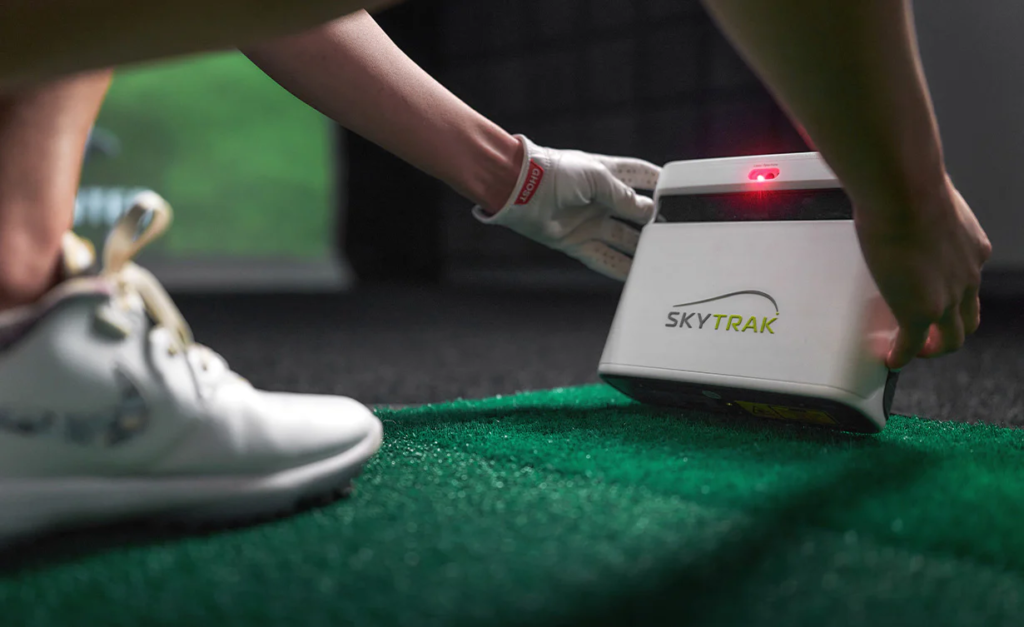
So, starting off my list is the SkyTrak+ Launch Monitor, a standout choice for golfers who need a balance of accuracy, portability, and affordability. This updated version builds on the success of the original SkyTrak, now featuring dual Doppler radar and high-speed cameras for improved ball and club data. Whether indoors or on the range, it provides reliable shot tracking without requiring special balls or stickers.
The compact and lightweight design makes it easy to take anywhere, while its wireless connectivity ensures a seamless experience across multiple devices. It integrates with top golf simulator software like GSPro, TGC 2019, and E6 CONNECT, giving access to a wide range of courses and practice modes. Plus, the SkyTrak Game Improvement Plan unlocks additional features like skills challenges, bag mapping, and shot dispersion analysis.
For golfers who want professional-level data in a portable package, the SkyTrak+ delivers a premium experience without a hefty investment. It’s a great option for both casual players looking to fine-tune their game and serious golfers who need detailed performance feedback.
Best High-End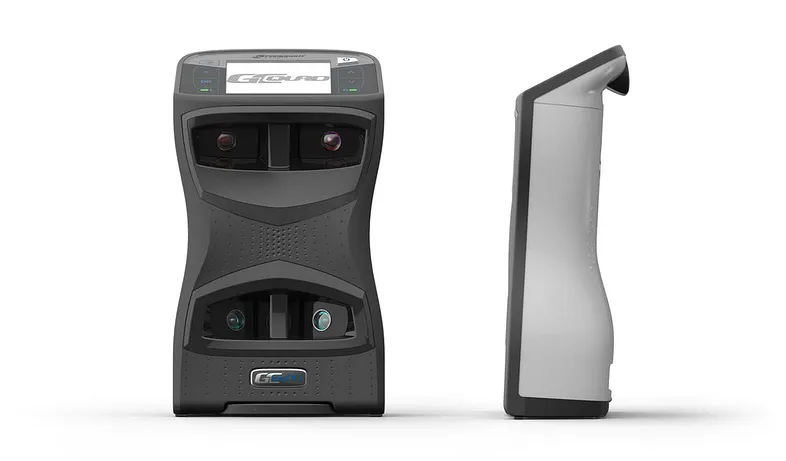
2. Foresight Sports GCQuad Launch Monitor
$15,999
- Pros: Unmatched accuracy, four high-speed cameras, extensive ball and club data.
- Cons: Premium price, requires club stickers for full swing analysis.
- Space Requirements: Needs 10’ width, 10’ depth, and at least 9’ ceiling height for best results.
- My Rating: 9.7/10 - Ideal for golfers who want pro-level shot tracking in a portable setup.
- Where to Buy: Available at Rain or Shine Golf, Shop Indoor Golf, and PlayBetter.
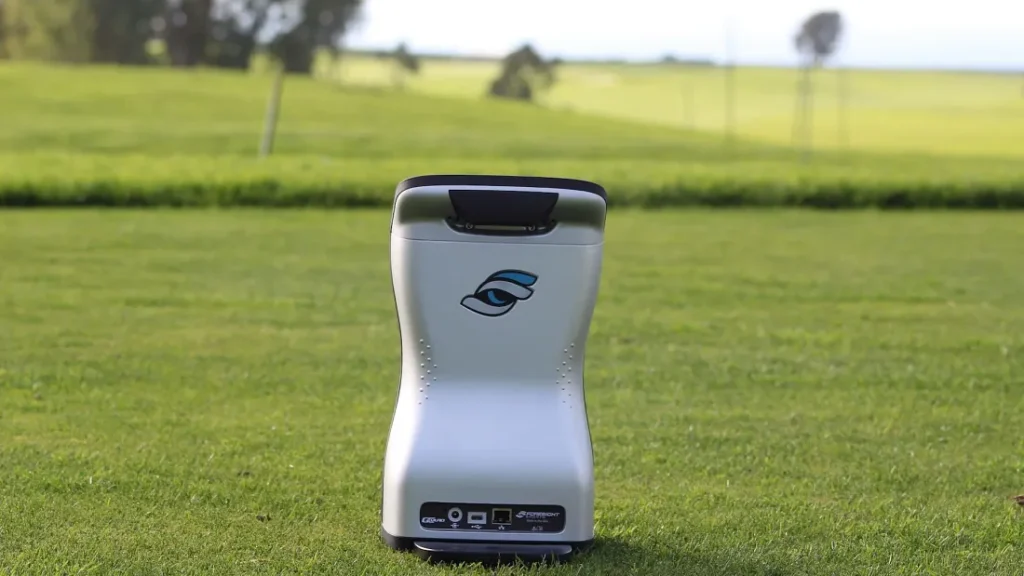
This one stands out for its unmatched accuracy and reliability. The Foresight Sports GCQuad launch monitor uses four high-speed cameras to track ball and club data with exceptional precision, making it the go-to choice for Tour players, instructors, and club fitters. Unlike radar-based launch monitors, it doesn’t require extra space behind the golfer, meaning it works just as well indoors in a simulator as it does outdoors on the range.
The instant shot feedback is one of the best I’ve tested, with precise metrics on launch angle, spin rates, club path, and face angle. The GCQuad seamlessly integrates with FSX Play, FSX 2020, and E6 CONNECT, unlocking some of the most realistic course simulations and skill-building tools available. While club stickers are needed for full club data, the overall tracking experience is second to none.
For those who want Tour-level accuracy in a truly portable unit, the GCQuad is an industry leader. It’s a serious investment, but if you need the best in the business, this launch monitor sets the standard for elite performance.
Best For Outdoors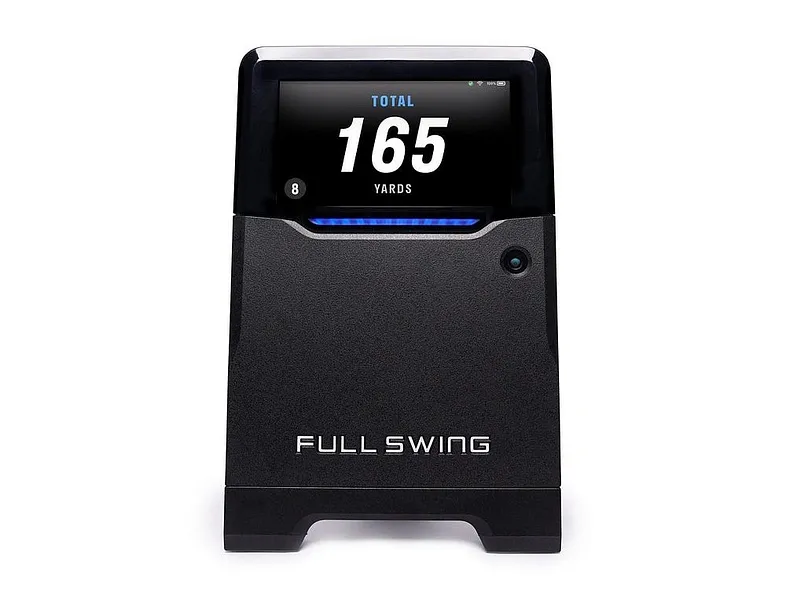
3. Full Swing KIT Launch Monitor
$4,499
- Pros: Tour-level accuracy, military-grade Doppler radar, integrates with Tiger Woods-backed software.
- Cons: Requires ample space behind the golfer for optimal tracking, fewer club data metrics than camera-based systems.
- Space Requirements: Minimum 10’ width, 15’ depth, and 9’ ceiling height.
- My Rating: 9.4/10 - Best for golfers who want a portable, pro-level launch monitor with radar tracking.
- Where to Buy: Available at Rain or Shine Golf, Shop Indoor Golf, and PlayBetter.
Portability and precision rarely go hand in hand, but the Full Swing KIT launch monitor manages to offer both in one impressive package. This Doppler radar-based launch monitor, designed with input from Tiger Woods, provides instant shot feedback whether you're practicing indoors or taking it to the driving range.
One of its standout features is the built-in OLED display, which allows you to view shot metrics without needing a separate device. The Full Swing KIT seamlessly integrates with FSX Play, E6 CONNECT, and Full Swing’s proprietary software, delivering a realistic simulator experience with detailed performance analytics. While it doesn't offer as many club metrics as high-end camera-based models, it excels in ball data accuracy and ease of use.
A great choice for players who want flexibility without sacrificing performance, the Full Swing KIT is built for serious practice both indoors and outdoors. Its compact design, advanced radar tracking, and reliable shot data make it a solid investment for any golfer looking to improve their game.
Best For Accuracy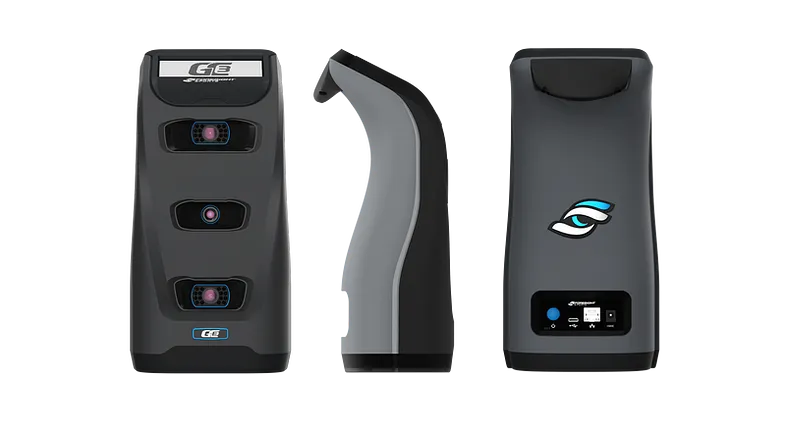
4. Foresight Sports GC3 Launch Monitor
$6,999
- Pros: Three-camera photometric tracking, highly accurate ball and club data, works indoors and outdoors.
- Cons: Requires marked balls for full spin data, higher price than some radar-based alternatives.
- Space Requirements: Minimum 10’ width, 12-15’ depth, and 9’ ceiling height.
- My Rating: 9.5/10 - Best for golfers seeking pro-level accuracy in a portable launch monitor.
- Where to Buy: Available at Rain or Shine Golf, Shop Indoor Golf, and PlayBetter.
For those who want tour-level accuracy in a portable design, the Foresight Sports GC3 launch monitor is a no doubt top contender. This three-camera photometric system delivers highly precise ball and club data, rivaling its higher-end counterpart, the GCQuad. Unlike radar-based systems, it doesn’t need extra space behind the golfer, making it ideal for both indoor and outdoor use.
With FSX Play, FSX 2020, and E6 CONNECT compatibility, the GC3 offers an immersive simulation experience with stunning course visuals and in-depth shot analysis. The quick setup and instant feedback allow for smooth practice sessions, whether you're working on your swing mechanics or playing full virtual rounds.
The GC3 is one of the most well-rounded launch monitors for players serious about improving their game. It combines pinpoint accuracy with portability, making it an excellent choice for golfers who need reliable data without the need for a permanent setup.
Best For Value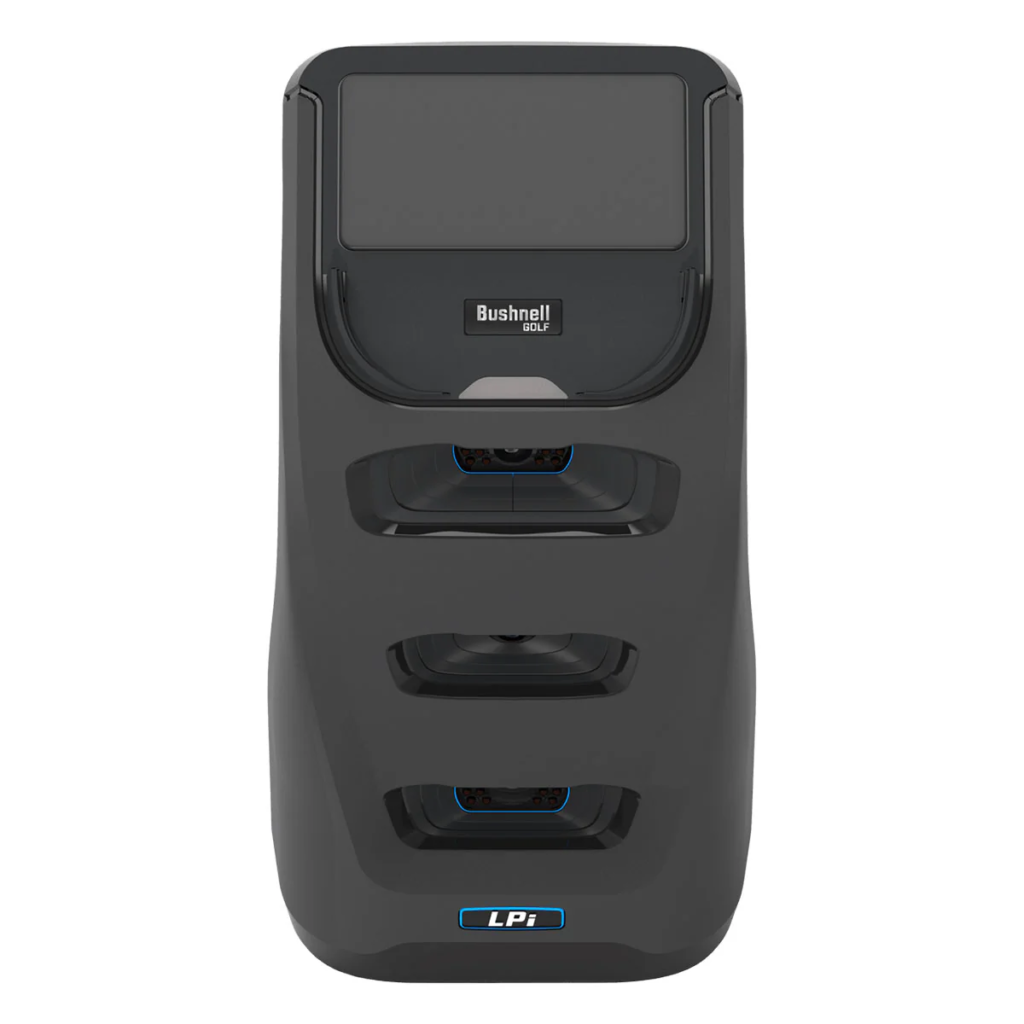
5. Bushnell LPi Launch Monitor
$2,799
- Pros: Affordable price, compact and lightweight, easy app integration.
- Cons: Limited club data compared to higher-end models, best suited for indoor use.
- Space Requirements: Minimum 10’ width, 12-15’ depth, and 8-9’ ceiling height.
- My Rating: 8.8/10 - Best for golfers seeking an affordable, portable launch monitor with reliable data.
- Where to Buy: Available at Rain or Shine Golf, Shop Indoor Golf, and PlayBetter.
If you're looking for a budget-friendly launch monitor without sacrificing accuracy, the Bushnell LPi is a strong contender. This compact device is designed for golfers who want reliable shot data at a fraction of the cost of premium models. Using a photometric tracking system, the LPi provides key ball metrics, including ball speed, launch angle, and spin rate, making it a solid option for practice and game improvement.
With seamless integration into the Bushnell Golf app, players can analyze their performance, track progress, and even simulate rounds on virtual courses. While it doesn’t offer the full suite of club data found in higher-end models, it still delivers enough insight for golfers looking to refine their swing.
For those who need a portable and affordable launch monitor that performs well indoors, the Bushnell LPi is an excellent choice. It’s a great entry-level option for golfers looking to step up their practice routine without a significant investment.
Best For Portability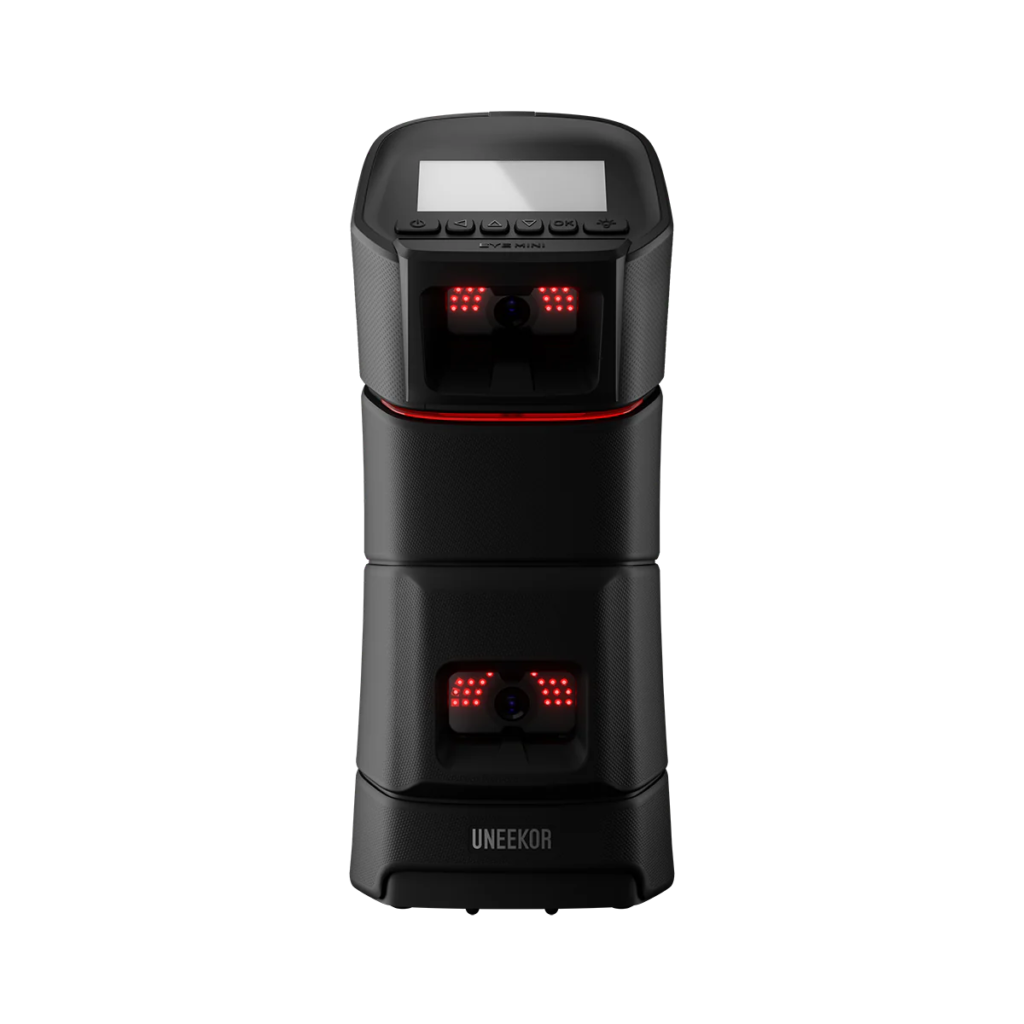
6. Uneekor EYE MINI Launch Monitor
$4,500
- Pros: Compact and lightweight, high-speed dual-camera tracking, integrates with top simulator software.
- Cons: Requires club stickers for full club data, best suited for indoor use.
- Space Requirements: Minimum 10’ width, 12-15’ depth, and 8-9’ ceiling height.
- My Rating: 9.0/10 - Best for golfers wanting a portable, high-performance launch monitor.
- Where to Buy: Available at Rain or Shine Golf, Shop Indoor Golf, and PlayBetter.
For those who need a powerful yet portable launch monitor, the Uneekor EYE MINI is a top-tier choice. Designed for golfers who want professional-level accuracy in a compact package, this device uses dual high-speed cameras to track ball and club data with precision. Whether you're practicing indoors or outdoors, the EYE MINI delivers instant feedback on key metrics like ball speed, spin rates, and launch angle.
One of the standout features is its seamless integration with GSPro, E6 CONNECT, and Uneekor’s View software, providing access to stunning virtual courses, in-depth analytics, and skill-building tools. While club stickers are required for full club data, the accuracy and consistency make it a great option for serious golfers.
Golfers who want a versatile, portable launch monitor that delivers professional-grade feedback will find the Uneekor EYE MINI to be an outstanding option. Its combination of portability, accuracy, and software compatibility makes it a strong choice for both home and on-the-go use.
Best All-In-One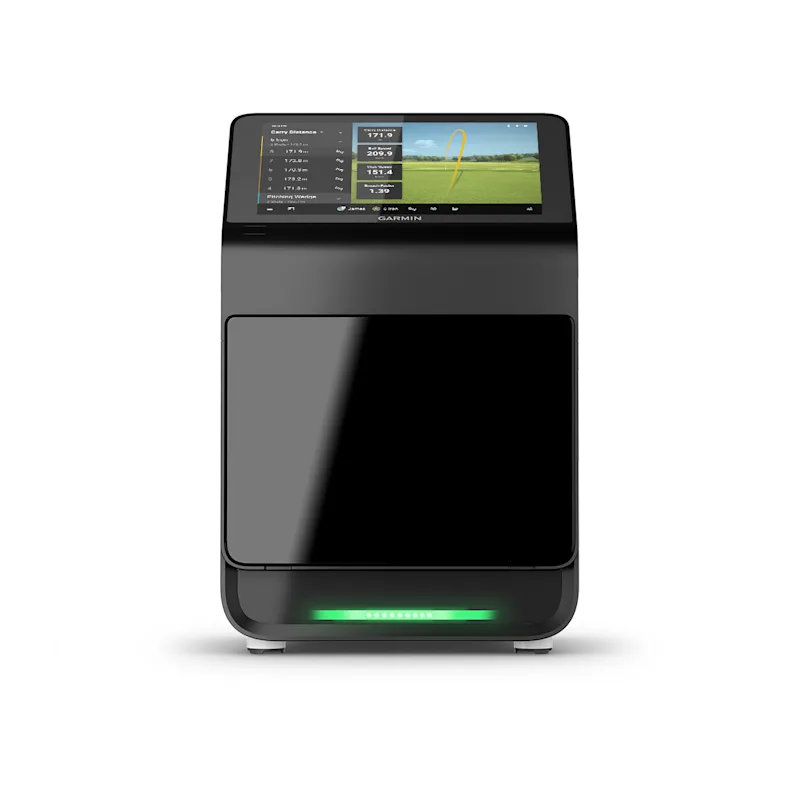
7. Garmin Approach R50 Launch Monitor
$4,999
- Pros: Affordable and portable, integrates with the Garmin Golf app, easy setup.
- Cons: Lacks advanced club data, works best with a net or impact screen.
- Space Requirements: Minimum 10’ width, 12-15’ depth, and 8-9’ ceiling height.
- My Rating: 8.8/10 - Best for golfers looking for an all-in-one and portable launch monitor.
- Where to Buy: Available at Rain or Shine Golf, Shop Indoor Golf, and PlayBetter.
Last but certainly not least, the newly released Garmin Approach R50 is an all-in-one launch monitor designed for golfers who want essential shot-tracking without breaking the bank. Using Doppler radar technology, it provides accurate readings on ball speed, carry distance, launch angle, and spin, making it a solid choice for casual practice sessions.
What makes the R50 stand out is its seamless integration with the Garmin Golf app, allowing golfers to track performance metrics, play 43,000+ virtual rounds, and analyze shot history in real time. While it doesn’t provide in-depth club data like high-end models, it still delivers valuable insights for those focused on improving consistency.
For golfers searching for an all in one, no-fuss launch monitor, the Garmin Approach R50 is a fantastic option. Its lightweight design, easy setup, and reliable tracking make it a great choice for home use, the driving range, or an on-the-go practice session.
https://www.youtube.com/watch?v=I_vrYm5phq4Buying Guide: Choosing the Best Portable Golf Launch Monitor
Finding the right portable golf launch monitor comes down to balancing accuracy, convenience, and compatibility with your practice setup. Whether you need a compact device for range sessions or a full simulator experience at home, selecting the right model requires careful consideration.
Accuracy and Data Tracking
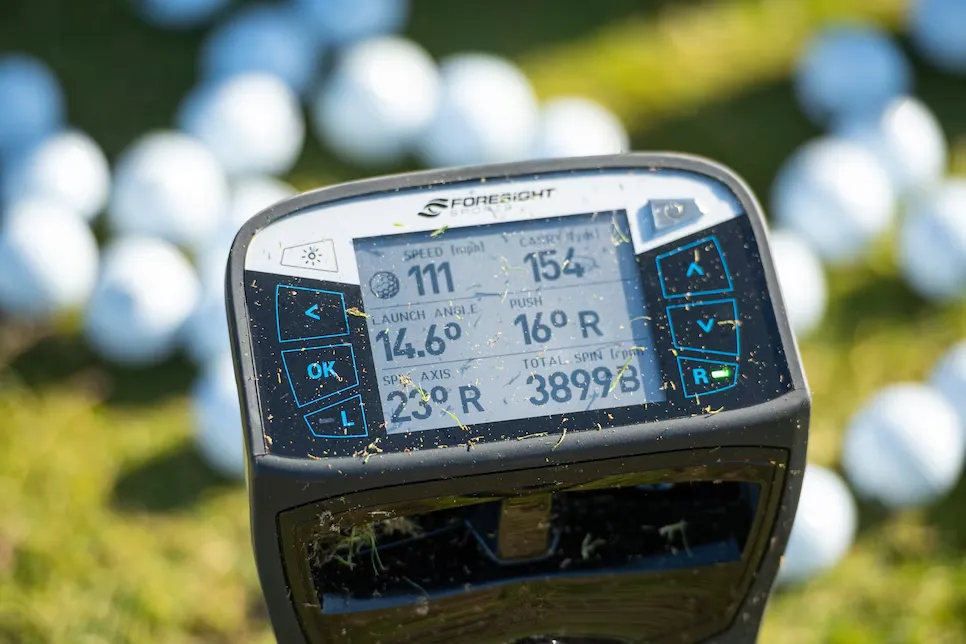
The core function of any launch monitor is to deliver precise shot data, but not all tracking systems are built the same. Doppler radar-based models like the Garmin Approach R50 and FlightScope Mevo+ are great for outdoor use, as they require additional space behind the golfer to track full ball flight.
On the other hand, photometric camera-based systems such as the Foresight GCQuad and Uneekor EYE MINI offer industry-leading accuracy indoors, capturing club and ball data at the moment of impact. If you’re practicing in varied environments, hybrid models like the Full Swing KIT provide a balance of both technologies, offering flexibility without sacrificing precision.
Portability and Setup Requirements
One of the biggest advantages of a portable golf launch monitor is its ease of transport and setup. Compact models like the Bushnell Launch Pro and Garmin R50 are lightweight, making them perfect for taking to the driving range or setting up in a small home space.
Meanwhile, professional-grade units like the GCQuad and Foresight GC3 are slightly larger but still offer quick, plug-and-play functionality. Before purchasing, consider how much space your monitor requires for accurate readings. Most radar-based systems need at least 12-15 feet of depth behind the player, while camera-based models can work in more confined spaces, making them better suited for indoor use.
Software Compatibility and Simulator Integration
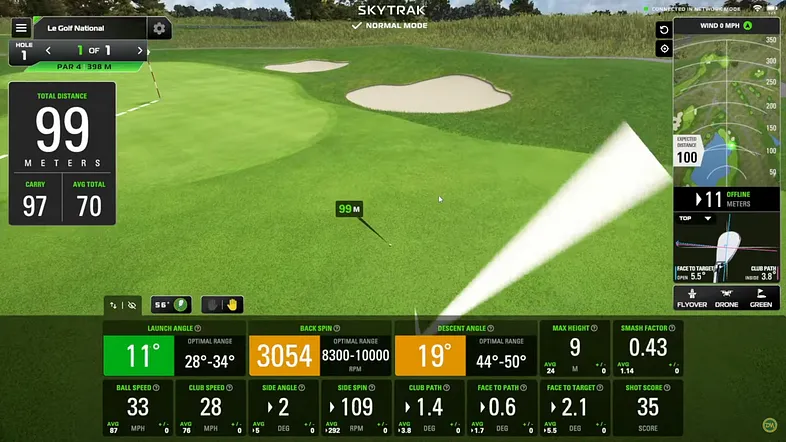
A good launch monitor isn’t just about tracking your shots-it should also offer an engaging virtual experience. Many models integrate with leading simulator software like E6 CONNECT, GSPro, FSX Play, and TGC 2019, allowing you to play famous courses and fine-tune your swing through skill challenges.
Some budget-friendly monitors, like the Garmin Approach R50, connect via mobile apps for simpler stat tracking, while premium options such as the GCQuad and Full Swing KIT provide advanced analysis tools, including club path, face angle, and attack angle. Before committing to a launch monitor, check whether its software meets your needs, as some platforms require separate subscriptions for full access.
Durability and Battery Life
Since portable golf launch monitors are often used in various settings, durability is an important factor. Models like the Uneekor EYE MINI and Full Swing KIT feature rugged designs built to withstand outdoor conditions, while others like the SkyTrak+ work best in controlled indoor environments.
Battery life is another key consideration, especially for those who practice outdoors frequently. The Garmin Approach R50 and Bushnell Launch Pro offer extended battery performance, ensuring you can complete a full session without interruptions. If you plan to use your device indoors, choosing a model with a reliable power adapter can help avoid any downtime.
Price and Long-Term Value
Portable launch monitors range widely in cost, from budget-friendly models under $1,000 to professional-grade systems exceeding $10,000. If you’re a casual golfer looking for basic shot tracking, a lower-cost option like the Garmin Approach R50 or FlightScope Mevo+ might be a great fit.
However, serious players, club fitters, and coaches may benefit from investing in high-end models like the GCQuad or Foresight GC3, which provide detailed club data, high-speed cameras, and simulator-ready features. While price is a major factor, choosing a launch monitor with upgradeable software and compatibility with multiple platforms can add value over time, ensuring you don’t outgrow your system as your skills progress.
FAQs About Portable Golf Launch Monitors
Can portable golf launch monitors be used for putting practice?
Yes, but not all models track putting data. High-end monitors like the Foresight GCQuad and Uneekor EYE MINI capture detailed putting metrics, including launch angle and skid, while radar-based models like the FlightScope Mevo+ and Garmin R50 focus primarily on full-swing shots. If putting analysis is a priority, look for a camera-based system with dedicated putting features.
Do portable launch monitors work in low-light conditions?
It depends on the technology used. Camera-based models like the GCQuad and SkyTrak+ perform best in consistent, well-lit environments, as poor lighting can impact accuracy. Radar-based systems like the Full Swing KIT and Mevo+ rely less on lighting conditions, making them more adaptable for outdoor use. For best results indoors, ensure your space has even, bright lighting to optimize tracking performance.
What is the difference between a portable launch monitor and a full golf simulator?
A portable launch monitor is designed to track ball and club data in various locations, such as the range or a home setup. A full golf simulator, on the other hand, includes an impact screen, projector, and enclosure to create an immersive playing environment. Some portable models, like the SkyTrak+ and GCQuad, double as simulator-ready launch monitors, meaning they can be integrated with simulation software to play full virtual rounds at home.
Do portable launch monitors work outdoors?
Yes, most portable launch monitors work outdoors, but some perform better than others. Radar-based models like the Full Swing KIT and Garmin Approach R50 are designed for outdoor use and can track full ball flight in open spaces. Camera-based monitors like the SkyTrak+ and Foresight GC3 also work outdoors but may require shade or consistent lighting for optimal accuracy. Always check the manufacturer's outdoor compatibility before buying.
What is the most accurate portable golf launch monitor?
The Foresight Sports GCQuad is widely considered the most accurate portable launch monitor available. Its four high-speed cameras capture ball and club data with exceptional precision, which is why it's the top choice among Tour players, club fitters, and teaching professionals. The Foresight GC3 is a close second, offering similar photometric accuracy at a lower price point.
Can you use a portable launch monitor with a golf simulator?
Yes, many portable launch monitors double as simulator-ready devices. Models like the SkyTrak+, Foresight GCQuad, GC3, Full Swing KIT, and Uneekor EYE MINI integrate with popular simulator software including GSPro, E6 CONNECT, FSX Play, and TGC 2019. You will need an impact screen, projector, and enclosure to complete the simulator setup, but the launch monitor handles all the shot tracking.
How long do portable launch monitor batteries last?
Battery life varies by model. The Garmin Approach R50 and Bushnell LPi offer some of the longest battery life, typically lasting 4-6 hours on a single charge. The SkyTrak+ provides around 4-5 hours of wireless use. Camera-based models like the GCQuad and GC3 often use AC power for extended sessions. If you plan to practice outdoors frequently, prioritize models with longer battery life or bring a portable charger.
Final Thoughts
The best portable golf launch monitors provide a balance of accuracy, versatility, and ease of use, making them ideal for golfers who want to improve their game anywhere.
Whether you’re looking for a budget-friendly option like the Garmin R50, a mid-range choice like the SkyTrak+, or a tour-level device like the GCQuad, there’s a launch monitor to fit every need.
By considering factors like tracking technology, portability, software compatibility, and space requirements, you can find the right model that delivers reliable performance without compromising flexibility.
Related Articles
Check out these related guides and reviews from Par Percision: