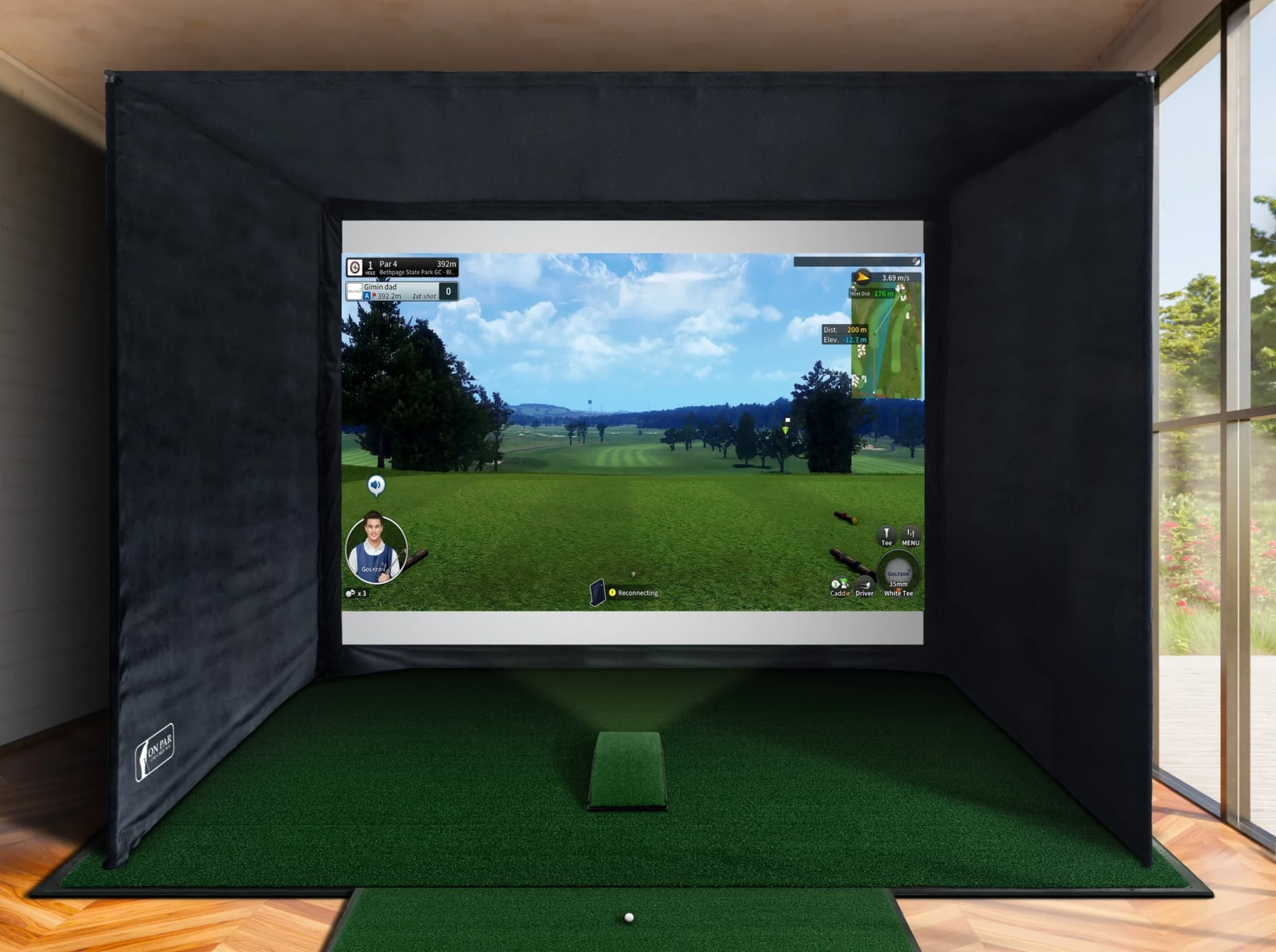
Golf simulators have transformed the way players practice and play, offering year-round access to the game regardless of weather or time constraints. However, one of the biggest barriers for many golfers is the cost. A complete golf simulator setup can range anywhere from a few thousand dollars to well over $50,000. But what exactly makes them so expensive?
The price comes down to the technology, software licensing, space requirements, and installation costs. High-end systems use advanced sensors, precision tracking, and realistic course simulations that require significant investment in development and materials.
Understanding these factors can help golfers decide whether a simulator is worth the investment and explore potential ways to save.
The Technology Behind Golf Simulators
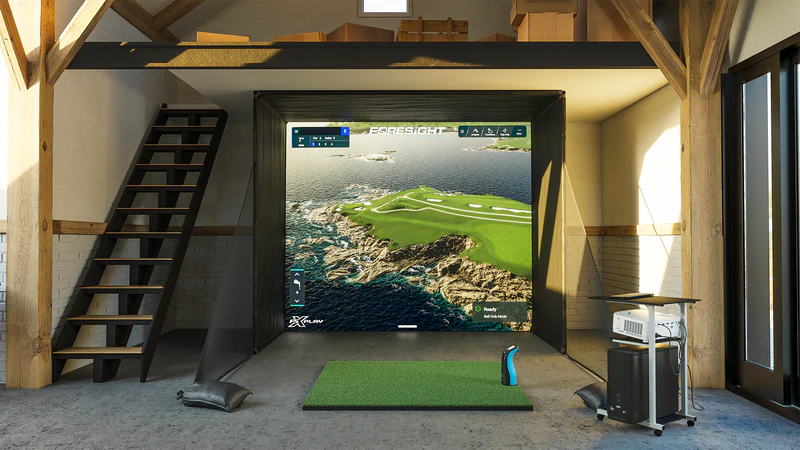
At the core of any golf simulator is the launch monitor, which is responsible for capturing ball and club data. The more advanced the technology, the higher the accuracy-and the cost.
Camera-based launch monitors, such as the Foresight Sports GCQuad and Uneekor EYE XO, use high-speed cameras to track club movement and ball flight at impact. These systems offer some of the most precise data available, making them a go-to choice for professionals and instructors.
Radar-based systems like TrackMan 4 and FlightScope X3 rely on Doppler radar to track the ball’s full flight, making them ideal for outdoor use but requiring more space. Because these technologies must process vast amounts of data in real-time, the hardware and software involved contribute to the simulator’s high cost.
Lower-priced simulators, such as SkyTrak+ or Garmin Approach R10, use fewer cameras or less sophisticated radar, which can lead to slight variations in accuracy. While they still provide valuable feedback, they may not deliver the same precision as high-end systems.
The Cost of Realistic Course Simulations
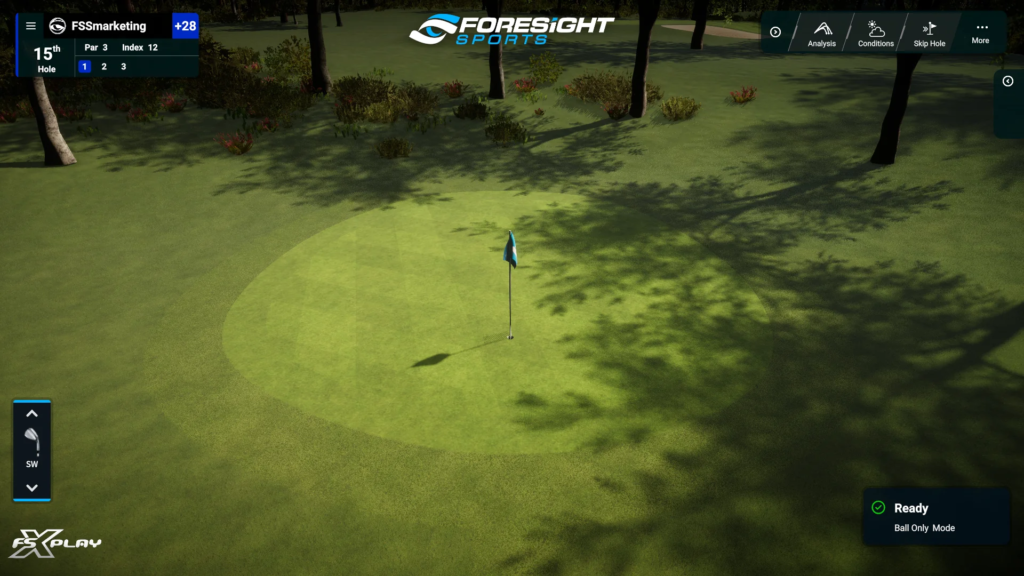
One of the biggest draws of a golf simulator is the ability to play on world-famous courses like Pebble Beach, St. Andrews, and Augusta National without ever leaving home. However, licensing these courses and developing high-resolution graphics comes at a price.
Premium simulator software, such as FSX Play, E6 Connect, and GSPro, offers hyper-realistic course designs, accurate topography, and advanced ball physics to create an immersive experience. These software packages often require ongoing subscriptions or one-time licensing fees, adding to the overall cost of ownership.
Basic simulators may come with fewer course options or lower-quality graphics, making them more affordable but less immersive. If playing on lifelike versions of famous courses is a priority, investing in higher-end software is necessary.
https://www.youtube.com/watch?v=_pJBQmVArII&t=2sSpace Requirements and Installation Expenses
A golf simulator isn’t just about the technology-it also requires a properly designed space. Whether installing one in a garage, basement, or commercial facility, the physical setup adds another layer of cost.
A standard home golf simulator needs:
- At least 10 feet of width for a comfortable swing space.
- 12 to 16 feet of depth to allow for full ball tracking.
- 9 to 10 feet of ceiling height to accommodate a driver swing.
If a room isn’t already equipped to handle these dimensions, renovations may be necessary. Some golfers invest in soundproofing, extra lighting, or reinforced flooring to protect their space.
Impact screens, enclosures, and hitting mats also add to the total price. High-end setups use commercial-grade impact screens that can withstand thousands of shots without wearing out, whereas cheaper options may need replacement more frequently.
Professional Installation and Calibration
While DIY golf simulators can be set up with relative ease, high-end models often require professional installation to ensure accuracy. This includes mounting the launch monitor at the correct height, calibrating the system, and optimizing lighting conditions for the best golf simulator readings.
Companies that specialize in golf simulator installations often charge thousands of dollars for setup services. If a simulator is being installed in a commercial setting-such as a golf academy, sports bar, or high-end indoor facility-additional costs come into play for network connections, seating arrangements, and branding customization.
Durability and Long-Term Investment
Golf simulators are built to last, and the price reflects their durability. Unlike standard golf equipment that may need frequent replacements, a high-quality simulator can withstand years of heavy use with minimal maintenance.
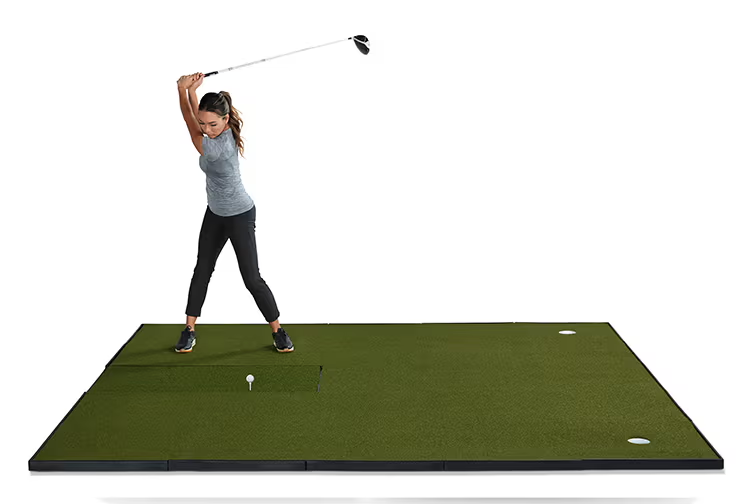
- Hitting mats are designed to simulate real fairway conditions and absorb club impact without wearing down quickly.
- Impact screens are reinforced to handle ball speeds exceeding 150 mph.
- Launch monitors are equipped with protective casings and advanced cooling systems to prevent damage from prolonged use.
Because these components are built to professional standards, they come with a higher upfront cost. However, this investment ensures long-term reliability, reducing the need for frequent repairs or replacements.
Best For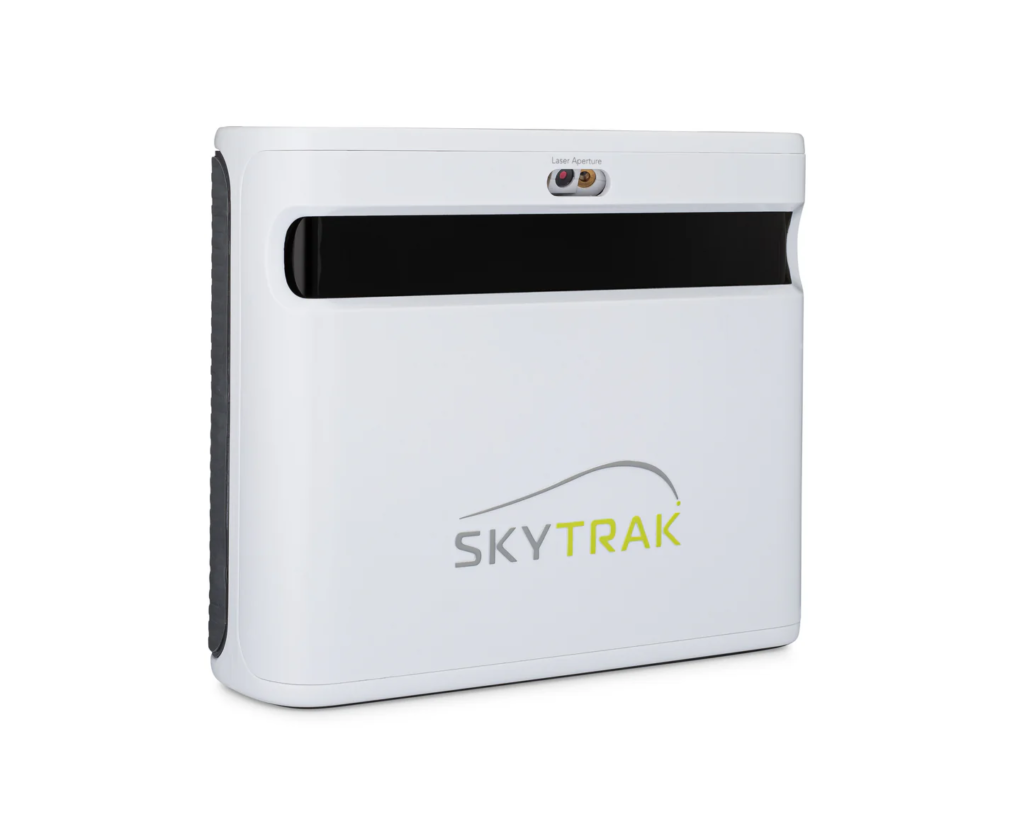
SkyTrak Plus Launch Monitor
$2,495
Serious golfers need serious data. The SkyTrak+ Launch Monitor delivers pro-level accuracy, instant feedback, and advanced shot tracking, making it a top choice for practice and simulation at home or on the range.
Are There More Affordable Options?
While high-end simulators can exceed $50,000, budget-conscious golfers still have options that provide an excellent experience without breaking the bank.
For those looking for an affordable yet accurate home setup, a package like this can provide a great balance between price and performance:
- SkyTrak+ Launch Monitor ($2,495) - Offers accurate ball and club tracking without the high cost of professional models.
- Optoma ZH400ST Short-Throw HD Laser Projector ($1,499) - Delivers a crisp, high-definition image for a realistic simulator experience.
- SwingBay Golf Simulator Enclosure ($2,999) - A premium enclosure with a high-quality impact screen.
- SwingTurf Golf Mat ($399) - Provides a natural feel and durability for thousands of shots.
Total Cost: Approximately $7,500-$8,000
This setup provides accurate data, realistic gameplay, and durability while remaining significantly more affordable than high-end commercial options.
Final Thoughts
Golf simulators are expensive because they combine cutting-edge technology, realistic course simulations, and durable materials designed to withstand years of use. The tracking systems, software, and space requirements all contribute to the cost, but the benefits-unlimited practice, year-round play, and game improvement-can make it a worthwhile investment.
For golfers who want a professional-grade experience, premium systems like Foresight Sports GCQuad, TrackMan, and Uneekor EYE XO provide unmatched precision and performance. However, those looking for a more affordable alternative can still enjoy a high-quality setup with options like SkyTrak+, Garmin Approach R10, and budget-friendly enclosures.
Whether building a high-end simulator or a budget-friendly setup, understanding what drives the cost can help golfers make the right choice for their needs and goals.
Where Your Money Actually Goes in a Simulator Build
Breaking down a typical $8,000 to $10,000 home simulator build shows where each dollar goes and why cutting corners in certain areas costs more in the long run.
The launch monitor takes the largest share of the budget, usually 30 to 50 percent of the total build cost. This is the one component where accuracy directly determines the quality of your experience. A SkyTrak+ at around $2,000 or a Foresight GC3 at around $5,000 to $7,000 anchors the build. Spending less on the monitor and more on aesthetics is a common mistake that leads to frustration with inconsistent data.
The enclosure and impact screen typically run $1,500 to $3,500 depending on size and material quality. This is the part of the build that protects your walls, catches golf balls traveling over 150 MPH, and serves as your projection surface. Cheaper screens wear out faster and develop dead spots that distort the projected image. A quality enclosure like the SwingBay or SIG10 holds up through thousands of shots and maintains a clean projection surface for years.
The projector accounts for $800 to $1,500 in most builds. Short-throw laser projectors sit at the higher end of that range but eliminate shadow issues and produce brighter images in rooms that are not completely dark. Standard bulb projectors cost less upfront but need bulb replacements every 3,000 to 5,000 hours of use, which adds ongoing expense.
Hitting mats range from $150 to $500. The difference between a cheap mat and a premium one shows up in feel, durability, and joint protection. Thin mats transmit more shock into your wrists and elbows, which matters during longer practice sessions. Quality mats like SwingTurf or TrueStrike use layered foam construction that absorbs impact while still providing realistic turf feedback.
Software costs are often overlooked. Some simulator software platforms charge annual subscriptions between $100 and $300 per year, while others like GSPro offer a one-time purchase. Over five years of ownership, software subscriptions can add $500 to $1,500 to your total cost. Factor this into your budget from the start so it does not catch you off guard.
Smaller items round out the build: HDMI cables, a computer or iPad to run the software, a side netting kit, floor padding, and a landing pad behind the ball. These extras usually total $200 to $500 but are easy to forget during the planning stage. Building a complete list before purchasing helps you avoid surprise costs that push the budget higher than expected.
Frequently Asked Questions
Why are golf simulators so expensive?
The cost comes from the launch monitor technology (high-speed cameras or radar sensors), impact screen materials, projector quality, software development, and enclosure construction. The launch monitor alone typically accounts for 40-60% of the total cost.
Are expensive simulators worth it?
Premium simulators offer better accuracy, more reliable tracking, superior software experiences, and better build quality. However, mid-range options ($5,000-$10,000) deliver 90% of the performance at a fraction of the cost.
Will golf simulators get cheaper?
Prices have been trending down as technology improves and competition increases. Entry-level simulator setups are now available under $3,000, compared to $10,000+ just a few years ago.
Related Articles
Check out these related guides and reviews from Par Percision: